

“The Landscape Belongs to the Person who looks at it.”
In just three months, I moved across continent and actively absorbed environments ranging from ancient Indian wilderness to the sunlit Italian coast. This rapid movement pushed me toward one clear realization that the landscape—its soil, rock, and water—creates the core identity of any place. Landscape is the DNA of Location. It shapes everything, from how roads curve to how people live. My recent path—from the dry heat of Sariska to the calm precision of Brombachsee and the dramatic height of the Amalfi Coast—constantly reinforced this truth.
The Raw, Ancient Code: Sariska National Park, India
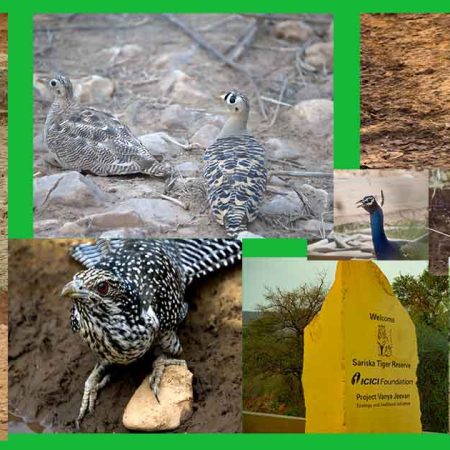
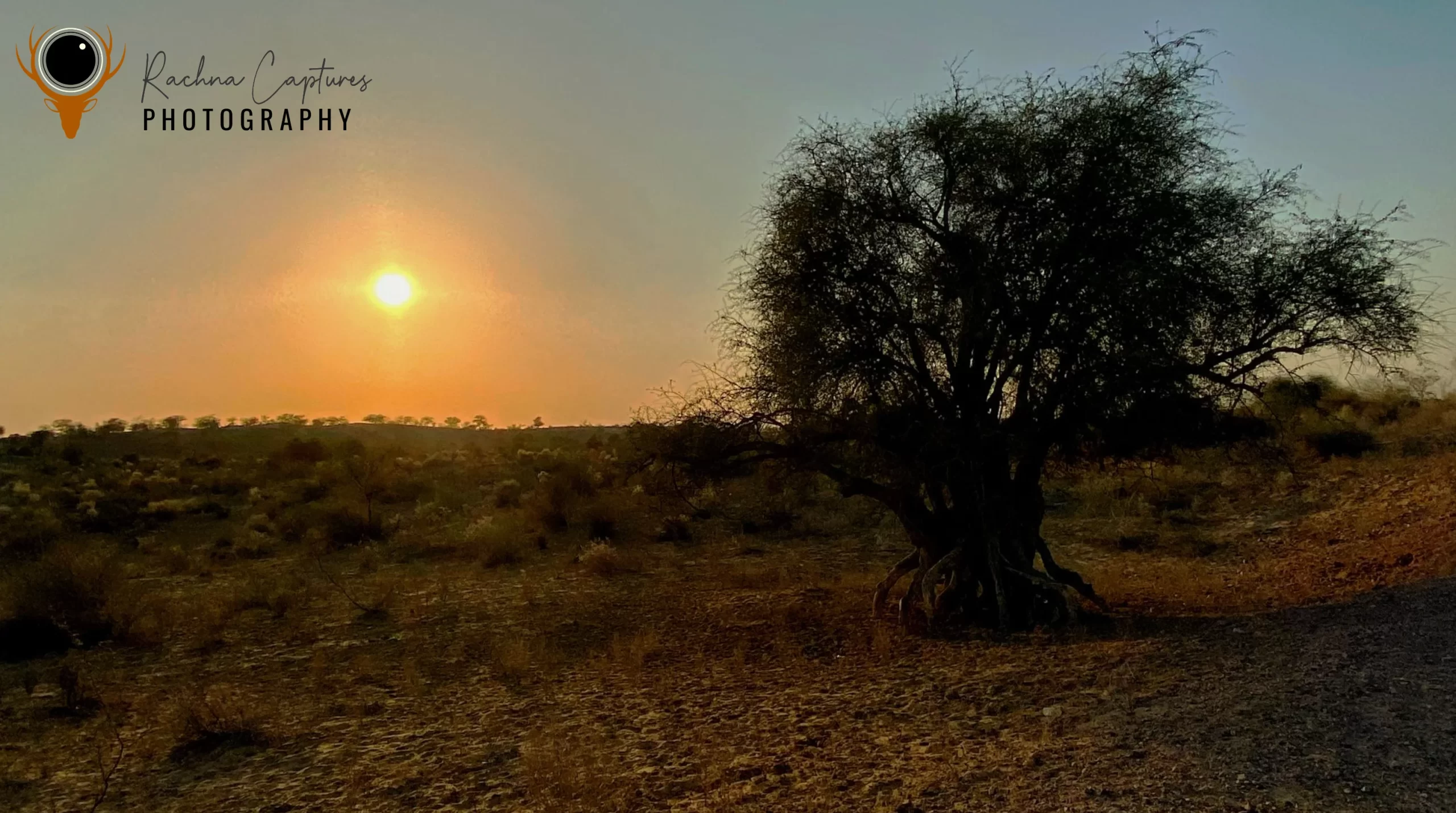
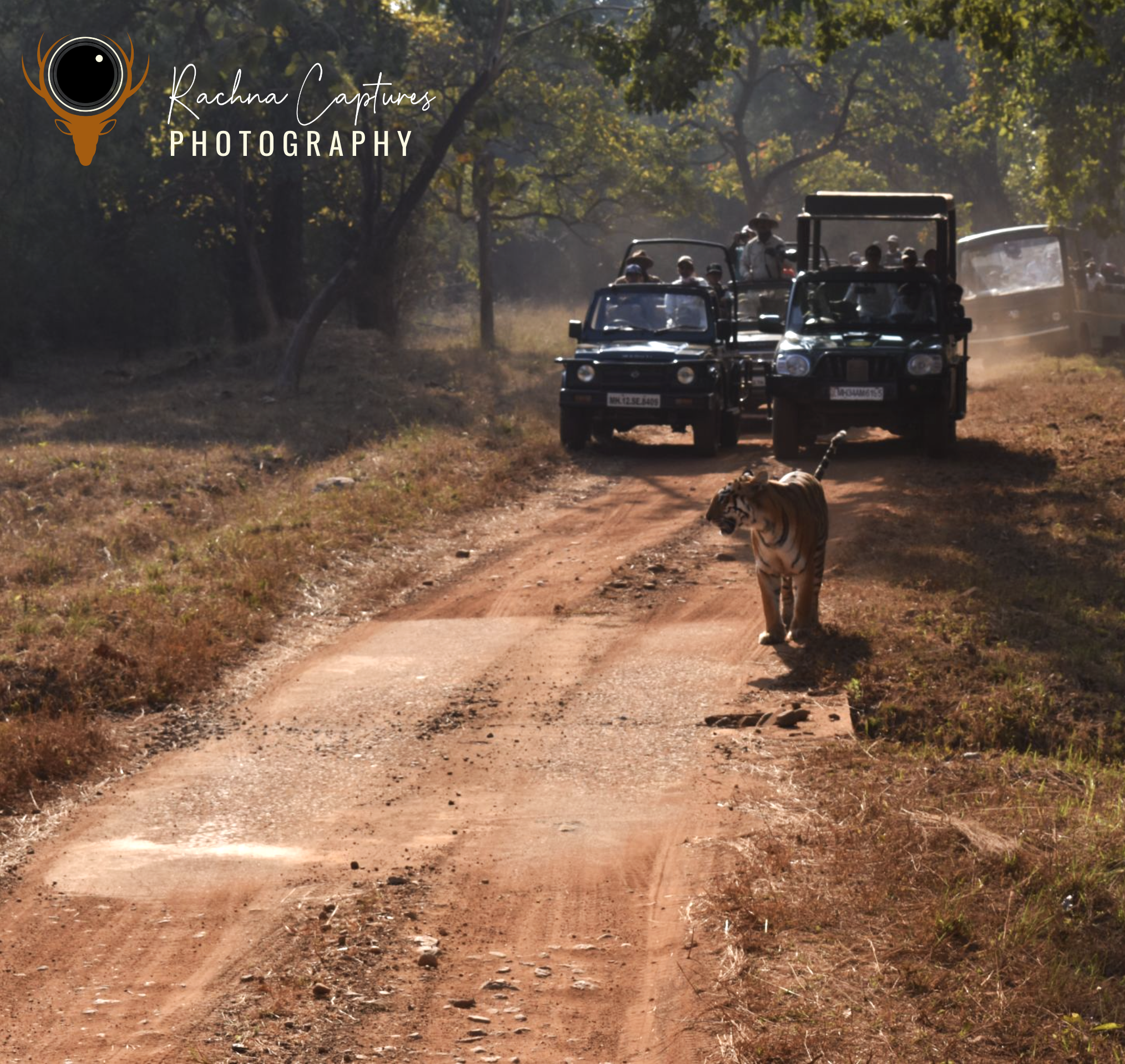
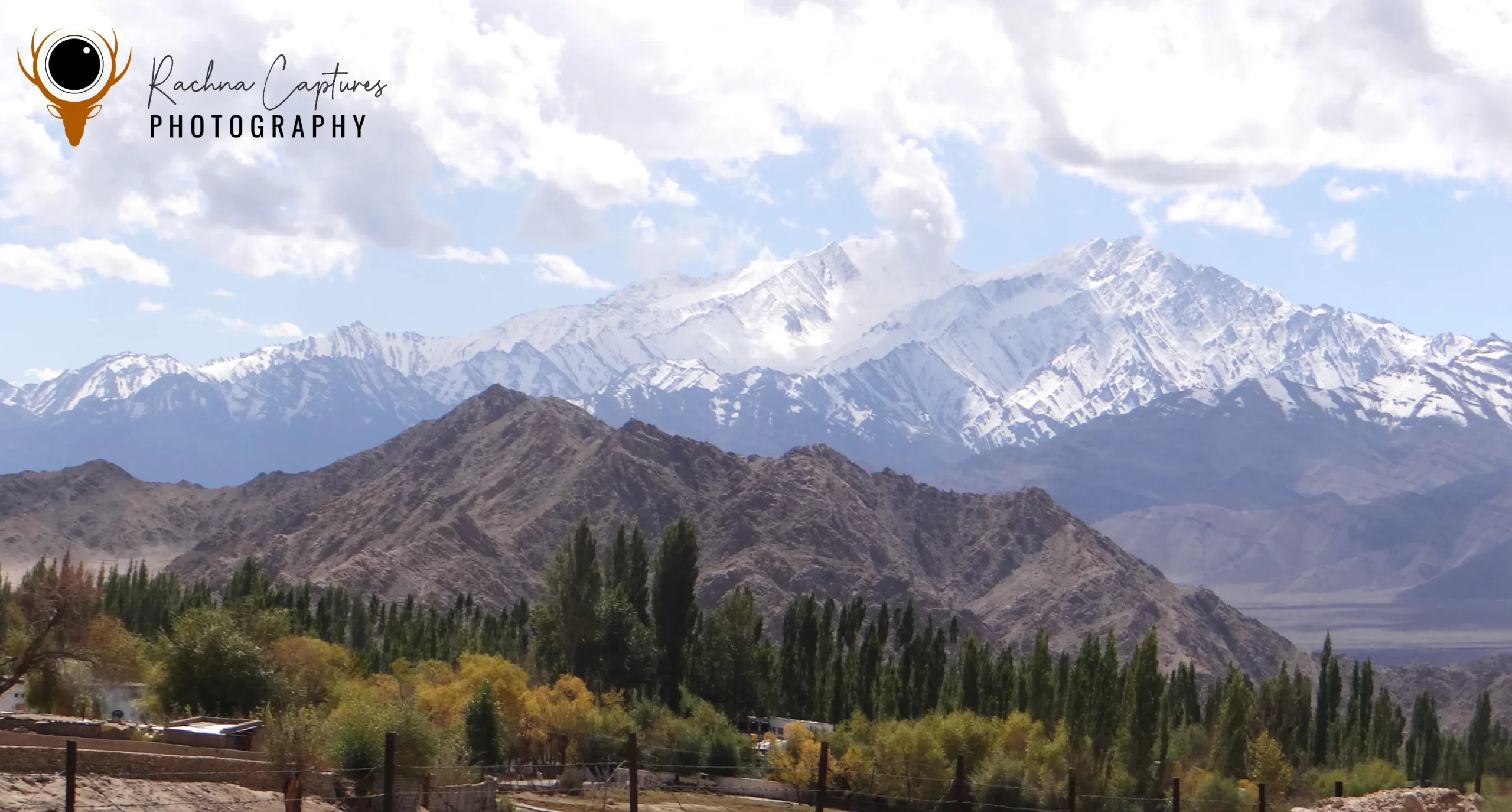
My journey first dropped me towards Sariska National Park. The environment immediately seized my attention. The ancient Aravalli hills, carved for millennia by wind and sunlight, rose sharply against the sky. Every creature—from the elusive tiger to the steady sambar deer—adapted and responded to scarce water and thorny scrub. We actively searched for signs, reading tracks pressed into the dry earth to uncover hidden lives.
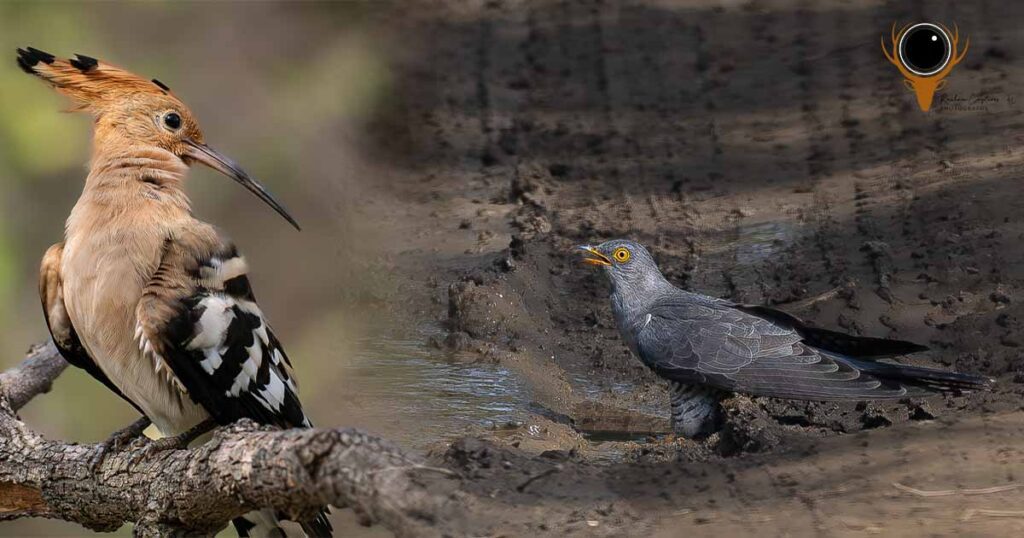
This harsh terrain forced nearby villages to design protective architecture. Houses used thick walls and tiny windows to shut out the intense heat. Daily life revolved around survival, shaping the region’s character. Even the silence felt charged, compelling us to move carefully. Sariska’s landscape broadcast a timeless message: endurance defines beauty. The terrain challenged, filtered, and shaped everything that settled on it. Here, the landscape proved once again that Landscape is the DNA of Location, anchoring the present in its ancient geological past.

The Engineered Serenity: Brombachsee, Germany
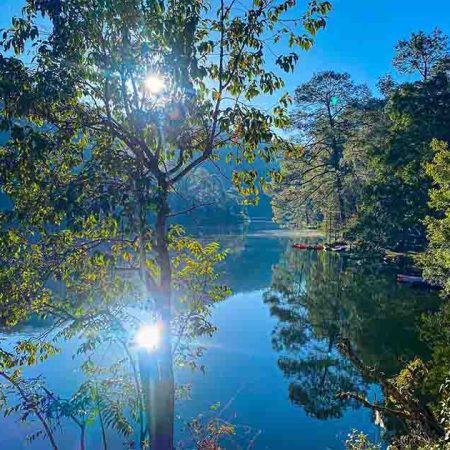
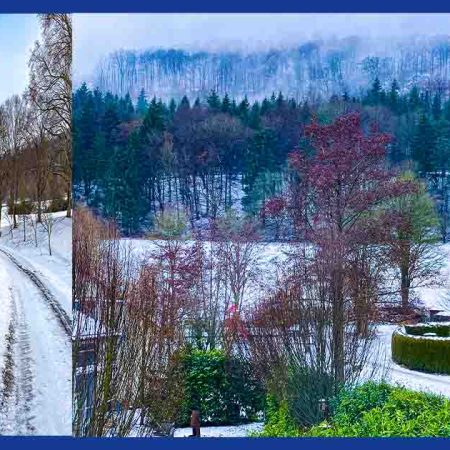
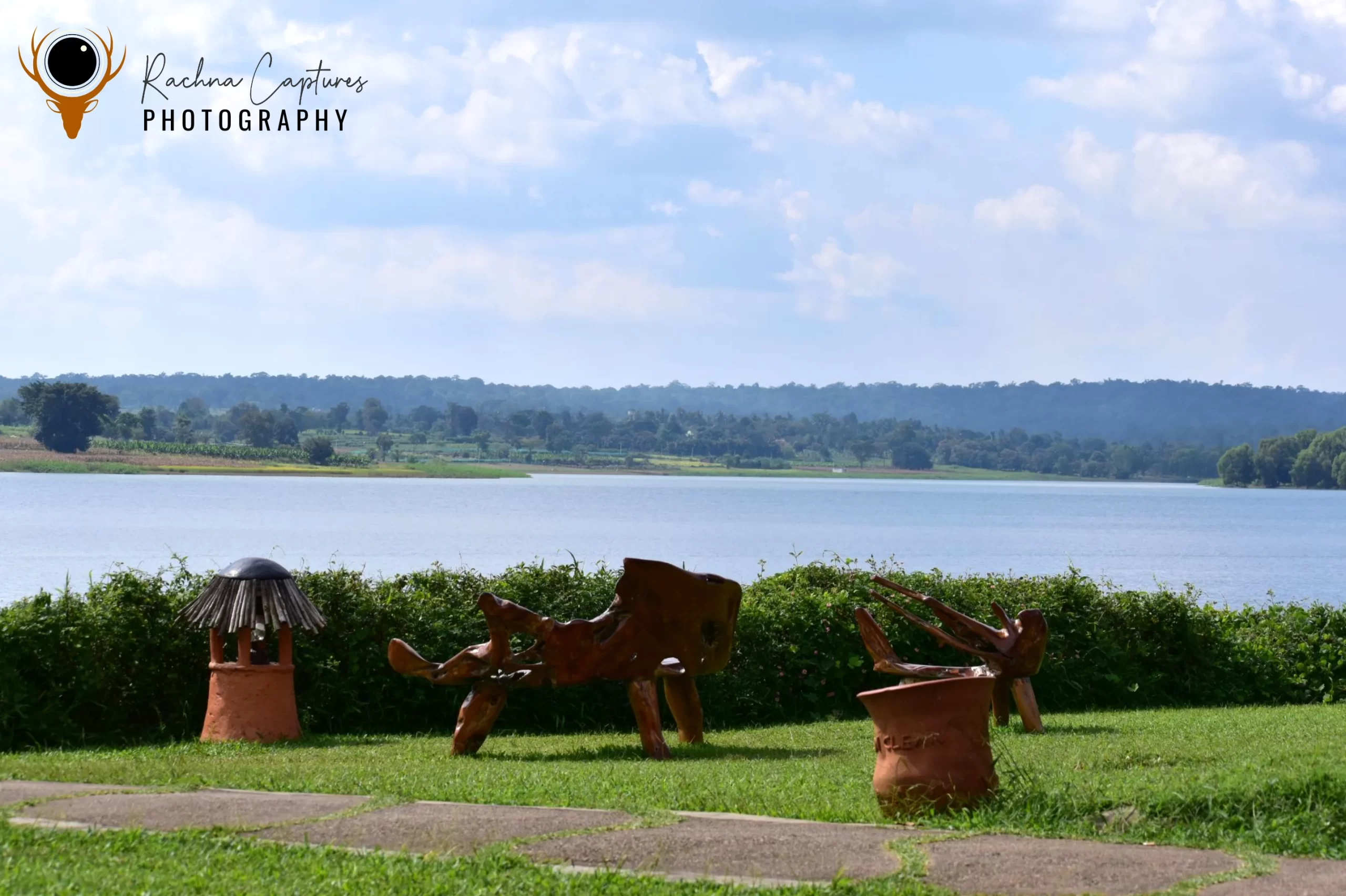
Leaving Sariska’s primal energy, I shifted into the quiet order of Brombachsee in Bavaria. This lakescape presented a deliberate contrast. Rather than entering untamed wilderness, I instead stepped into a landscape that had been deliberately engineered for recreation . Humans had transformed farmland into a broad reservoir. And the result produced a culture of calm efficiency.
Nothing struggled here, everything operated with ease. The nearby towns, with half-timbered homes and relaxed resorts, welcomed walkers and sailors alike. The region’s punctuality and precision clearly echoed the lake’s neat, managed form. Brombachsee demonstrated that when humans design the land, the land still dictates the lifestyle. Landscape is the DNA of Location, even when engineered.
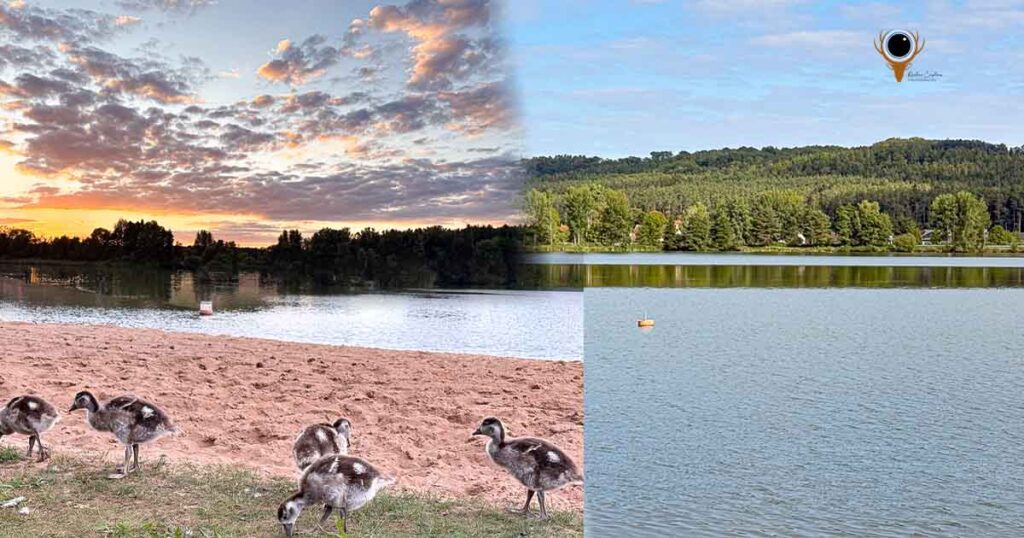
Brombachsee usually doesn’t appear as a direct stop for most travellers. However, you can still reach it easily by changing trains along the way. But this route often feels slightly inconvenient. Therefore, many travellers prefer the road option, which is significantly simpler and far more flexible. In fact, when you start from Oberkochen, you can drive to Brombachsee in just two hours, and this naturally makes the entire journey smoother, quicker, and much more comfortable.
The Dramatic Fusion: Sorrento and Amalfi, Italy
Even though Sariska’s wild intensity and Brombachsee’s calm order each taught me something different . But neither of them truly prepared me for the sudden and explosive drama of Sorrento and the Amalfi Coast. Here, the terrain announced itself boldly—a head-on confrontation between towering cliffs and the deep Mediterranean Sea. The landscape forced people to carve their lives into rock instead of simply building on top of it.
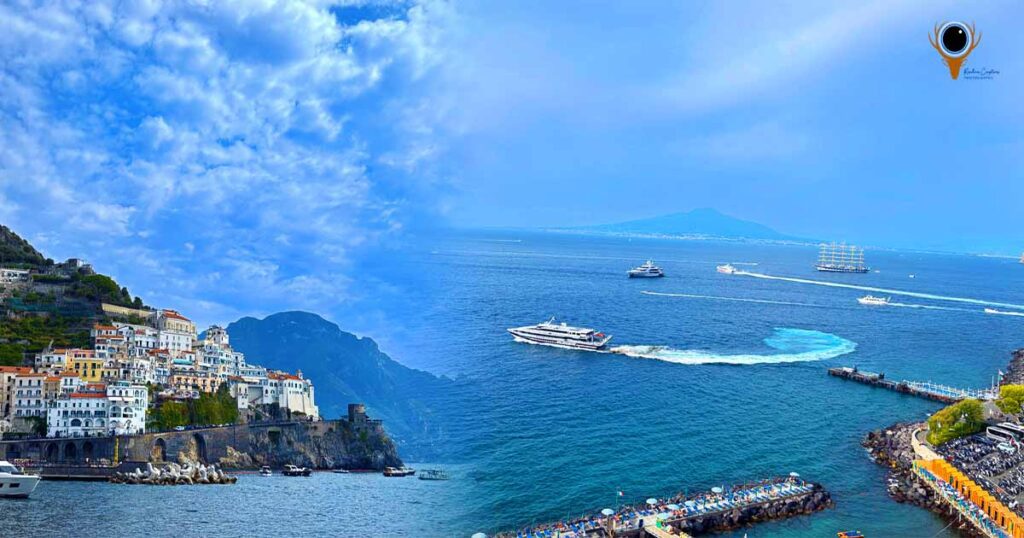
The coastline twisted roads into impossible spirals. Homes clung to cliffs, defying gravity. Local culture grew around navigation, hospitality, and fierce pride. We tasted limoncello made from lemons planted in gardens. Each garden created through centuries of effort. Life shifted vertically—up and down—with every glance pulling a gasp. The difficult terrain pushed the community toward creativity, expressiveness, and resilience. Here too, the land made its rule unmistakable: Landscape is the DNA of Location, and Amalfi’s vertical geography generated its vibrant, passionate identity.
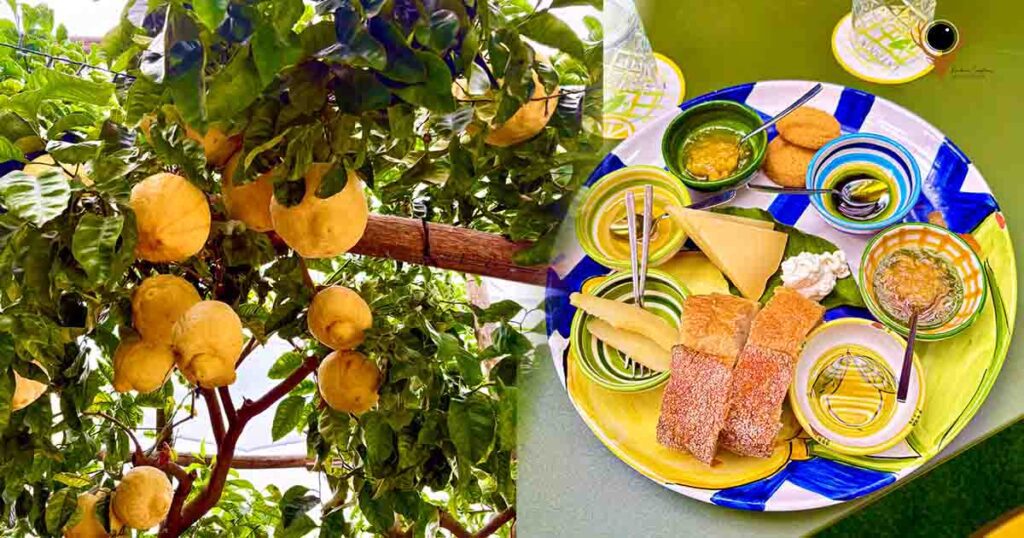
Limoncello Liqueur
To end our Mediterranean journey on a bright note, we visited a delightful Limoncello tour that perfectly captured the spirit of southern Italy. As we stepped into the lemon orchards, the air instantly filled with a refreshing citrus aroma that awakened every sense. Rows of golden lemons gleamed under the sun, their fragrance weaving through the gentle breeze. Our guide enthusiastically walked us through each step of the process. From carefully handpicking the lemons to infusing their zest into the smooth golden liqueur that Sorrento is so proud of.
As the tasting began, and the first sip was pure sunshine—sweet, tangy, and invigorating. The Limoncello carried the warmth of the Mediterranean and the craftsmanship of generations. To complement the tasting, a hearty, locally-sourced breakfast awaited us. Freshly baked pastries, creamy ricotta, and tart lemon jam added layers of flavours to the morning, creating the perfect harmony of taste and tradition.
As we lingered over our final glasses, the experience felt like a celebration of simplicity and joy. The Limoncello tour wasn’t just a tasting—it was a vibrant farewell, a zesty reminder of how beautifully Italy blends nature, culture, and passion in every drop.
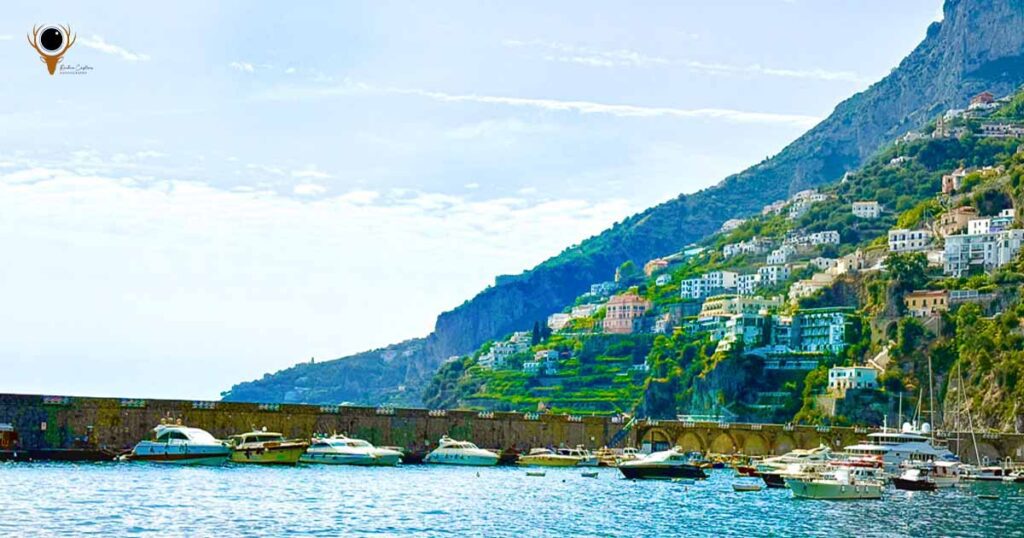
Naples to Sorrento
Our journey to Sorrento was quite an experience. We took the Campania Express from Naples, which is a fast and convenient train with limited stops. But I recommend traveling directly from Rome for this trip .Because it is usually easier and more comfortable.
And on our ride from Naples to Sorrento we discovered some unexpected challenges. The train had 7–8 coaches, yet only two doors were open for boarding. Each section was separated, like passengers had to enter through Coach 4 and walk back to reach seats in Coach 1 or 2. We had no idea why it was arranged this way. To make matters worse, the train stopped for only one minute at station, which sent everyone rushing in confusion. Even the ticket checkers seemed unsure, often pointing people to the wrong coaches—pure chaos.
Fortunately, once we arrived in Sorrento, everything changed for the better. The town is ideal for a relaxing getaway—perfect for exploring, beach time, and slow mornings by the sea. With peaceful vibes, stunning ocean views, delicious pizza, basil pasta, local wines, and refreshing Limoncello, the experience quickly made up for any travel troubles. The clear blue water and cheerful atmosphere made our trip truly unforgettable.
A Unified Theory of Travel
Ultimately, these three journeys confirmed one core truth: the land shapes the people. Landscape is the DNA of Location. Sariska’s dry earth cultivated stoicism, Brombachsee’s smooth shores encouraged structure, and Amalfi’s cliffs inspired dramatic flair. By actively observing how terrain guided architecture, routines, and community energy, I recognized that travel means reading a geographic manuscript. We must stop passively looking at landscapes and start decoding them. Every place gradually reveals itself once we begin to understand that the landscape is the DNA of location.



15 Comments
Amazing blog..vivid shots 🫶
Thanks Dr
A beautiful description of your journey from head to toe!!
Thanks Dear
Amazing work! Your writing makes complex ideas feel so natural and relatable.
thanks for appreciating
All 3 places are beautifully captured by your words and pictures. Truly amazing
Grazie big thanks
I read it,very interesting and written beautifully, great work Rachna 👌
Thanks di
Well written, truly combined experience of places across continents with Nature on top.Felt like i have visited those places. Truly awesome
Thanks Doctor
Enjoyed reading and writing is engaging. Images soothes my eyes
Wonderful photography and beautifully written. The vivid description and comparison between the three places and then connecting them is an effort in itself . It shows that Rachna has not visited those places as a tourist but she tried to have a real feel of them.
such a lovely words thanks dear